
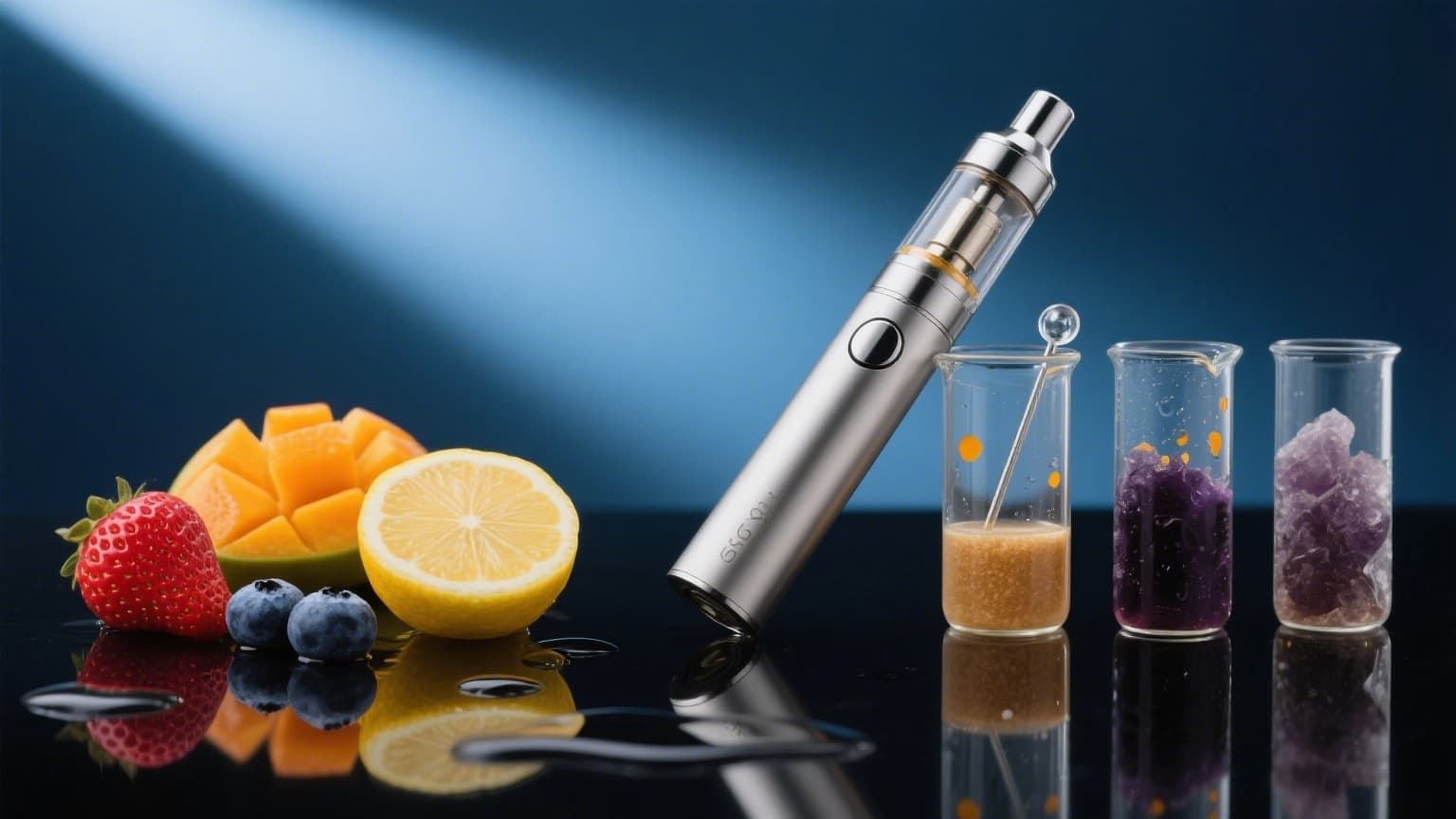
Do Vapes Have Sugar? The Complete Guide to E-cigarette Sweetness Sources and Ingredients
Comprehensive analysis of vape sweeteners, sugar content, and health considerations for informed vaping choices in 2025
Table of Contents
- 1. The Sweet Vape Phenomenon
- 2. The Truth: Vapes Don't Contain Sugar
- 3. Deep Analysis of Vape Sweetness Sources
- 4. Market Trends & User Preferences
- 5. Health & Safety Considerations
- 6. Device Maintenance: Addressing Coil Gunk
- 7. Sugar-Free Alternatives
- 8. Future Trends & Outlook
- 9. Conclusion & Recommendations
The Sweet Vape Phenomenon: Understanding Modern E-cigarette Popularity
Have you ever wondered do vapes have sugar when tasting those incredibly sweet e-cigarette flavors? The modern vaping market in 2025 is dominated by products that taste remarkably similar to candy, desserts, and sweet treats. From cotton candy clouds to caramel cappuccino, the sweetness in these vape products can be so intense that it leaves a lingering sugary coating in your mouth.
This phenomenon has led to widespread confusion among users about vape sugar content and the actual ingredients responsible for these sweet flavors. Many vapers assume that such intense sweetness must come from actual sugar, but the reality is far more complex and scientifically fascinating.
Key Questions This Guide Addresses:
- Do electronic cigarettes actually contain sugar?
- What creates the sweet taste in vape juice?
- Are artificial sweeteners in vapes safe?
- How do sweet vapes affect device performance?
- What are the health implications of vape sweeteners?
Understanding the science behind vape sweeteners is crucial for making informed decisions about your vaping experience. Whether you're concerned about health implications, device maintenance, or simply curious about what you're inhaling, this comprehensive guide will provide you with evidence-based answers about e-cigarette ingredients and their effects.
The Truth: Vapes Don't Contain Sugar
Definitive Answer
No commercially produced vape or e-liquid contains traditional sugar. This is a universal standard across all reputable manufacturers in the vaping industry today.
Technical Reasons Why Sugar Cannot Work in Vapes
The absence of sugar in vape products isn't just a design choice—it's a technical necessity. Understanding why sugar cannot function in electronic cigarettes helps explain the sophisticated chemistry behind modern vape sweeteners:
Physical Transformation Under Heat
When sugar is heated to vaping temperatures (typically 200-250°C), it undergoes rapid caramelization and condensation. This process transforms sugar into a dense, sticky mass—exactly how candy is made. In a vaping device, this would:
- Clog the wick and prevent proper e-liquid absorption
- Create severe dry hits and burnt flavors
- Permanently damage the atomizer coil
- Block airflow pathways in the device
Concentration Requirements
Modern artificial sweeteners in vaping like sucralose are approximately 600 times sweeter than regular sugar. This means:
- Only microscopic amounts are needed for intense sweetness
- The e-liquid's chemical balance remains stable
- Viscosity and vaporization properties are preserved
- Manufacturing costs remain economical
The Science Behind Sugar-Free Sweetness
Instead of sugar, vape manufacturers rely on sophisticated alternatives that can withstand the heating process while delivering the desired sweet taste. These vape sweeteners are specifically chosen for their:
- Thermal stability: Ability to maintain molecular structure under heat
- Solubility: Complete dissolution in propylene glycol and vegetable glycerin
- Flavor profile: Clean sweetness without unwanted aftertastes
- Safety profile: Approval for inhalation use by regulatory bodies
Important Distinction
While vapes don't contain sugar, they may contain sugar alcohols like vegetable glycerin (VG), which provides mild natural sweetness. These compounds are fundamentally different from table sugar and behave differently when heated.
Deep Analysis of Vape Sweetness Sources
Understanding what creates the sweet taste in your e-cigarette requires examining three primary categories of ingredients. Each contributes differently to the overall flavor profile and has distinct characteristics that affect both taste and device performance.
Artificial Sweeteners: Sucralose in Detail
Chemical Composition and Properties
Sucralose is the most common sweetener found in modern vape juice. This artificial sweetener is created through a sophisticated process that replaces three hydroxyl groups in sucrose with chlorine atoms, fundamentally altering its molecular structure.
| Property | Sucralose | Regular Sugar |
|---|---|---|
| Sweetness Intensity | 600x sweeter | Baseline (1x) |
| Calories per gram | 0 calories | 4 calories |
| Blood glucose impact | Minimal to none | Significant spike |
| Thermal stability | Stable up to 280°C | Caramelizes at 160°C |
Application in Vaping
In e-liquids, sucralose typically comprises 0.5-2% of the total formulation. This incredibly low concentration demonstrates why do vapes have sugar is such a common misconception—the sweetness achieved with minimal quantities seems impossible without traditional sugar.
- Flavor Profile: Produces clean, sugar-like sweetness without metallic aftertastes
- Mouth Feel: Creates the characteristic "sugary coating" sensation
- Longevity: Maintains sweetness throughout the entire vaping session
- Compatibility: Works well with fruit, dessert, and candy flavor profiles
Flavor Enhancement: Ethyl Maltol
Synthetic Flavor Enhancement
Ethyl maltol represents a different category of vape sweeteners—compounds that enhance perceived sweetness without being traditional sweeteners. This synthetic compound is produced through chlorination processes and provides distinctive cotton candy and caramel notes.
Sensory Characteristics
- Aroma Profile: Sweet, caramelized sugar with cotton candy undertones
- Taste Enhancement: Amplifies existing sweet flavors in the blend
- Concentration Range: Typically 1-5% in cotton candy flavors, 0.1-1% in other profiles
- Synergy Effects: Works synergistically with fruit and dessert flavors
Beyond Vaping Applications
Ethyl maltol's versatility extends beyond e-cigarettes. It's commonly used in:
- Premium perfumes for sweet, gourmand fragrances
- Food industry for baked goods and confections
- Cosmetic products for sweet-scented formulations
- Pharmaceutical applications for taste masking
Base Component: Vegetable Glycerin (VG)

Natural Sweetness Source
Vegetable Glycerin (VG) serves as both a base ingredient and a natural source of mild sweetness in vape juice. As a sugar alcohol derived from plant oils, VG comprises 50-90% of most e-liquid formulations, making it the most abundant ingredient after nicotine.
VG Properties and Functions
Vapor Production
Primary contributor to thick, dense vapor clouds that characterize modern vaping
Natural Sweetness
Provides subtle, clean sweetness without overpowering other flavors
Viscosity Control
Determines e-liquid thickness and wicking properties
Safety Profile
FDA-approved food additive with extensive safety data
VG vs. PG Comparison
Understanding the difference between Vegetable Glycerin (VG) and Propylene Glycol (PG) is crucial for comprehending vape sweeteners:
- VG: Naturally sweet, thicker consistency, produces more vapor
- PG: Virtually flavorless, thinner consistency, better flavor carrier
- Sweetness Factor: Only VG contributes natural sweetness to the blend
- Ratio Impact: Higher VG ratios result in naturally sweeter e-liquids
Innovative Sweetening Technologies
Next-Generation Sweetening Solutions
The vaping industry continues to introduce innovative approaches to creating sweet e-cigarette experiences without traditional vape sugar content:
Natural Fruit Extracts
Concentrated natural fructose compounds that provide authentic fruit sweetness without added sugars
Molecular Flavor Simulation
Advanced compounds that trigger sweetness receptors without caloric content
Temperature-Controlled Release
Smart sweeteners that activate at specific temperatures for consistent flavor delivery
Market Trends & User Preferences
Consumer Data Analysis
Understanding consumer preferences for sweet vapes provides crucial insights into the vape sweeteners market. Recent comprehensive studies in 2025 reveal fascinating patterns in user behavior and flavor preferences across different demographics.
2025 Comprehensive Vaping Survey Results
A landmark study involving over 85,000 vapers across North America, Europe, and Asia provides the most current data on sweetener preferences in e-cigarettes:
| Flavor Category | Former Smokers (%) | Non-Smoking Users (%) | Average Sweetness Level (1-10) |
|---|---|---|---|
| Fruit Flavors | 42.3% | 38.7% | 7.2 |
| Dessert & Candy | 31.5% | 41.2% | 8.8 |
| Menthol/Mint | 18.9% | 12.4% | 3.1 |
| Tobacco Flavors | 7.3% | 2.8% | 2.4 |
| Beverage Flavors | 15.2% | 22.1% | 6.7 |
Global Market Comparison
Regional preferences for vape sweeteners and artificial sweeteners in vaping vary significantly across different markets:
North American Market
- Preference: High-intensity sweetness (sucralose-heavy)
- Popular Profiles: Candy, dessert, sweet fruit combinations
- Sweetness Tolerance: Highest globally (average 8.2/10)
- Innovation Focus: Complex multi-layer sweet profiles
European Market
- Preference: Balanced sweetness with natural undertones
- Popular Profiles: Fruit-forward, subtle desserts
- Sweetness Tolerance: Moderate (average 6.4/10)
- Innovation Focus: Natural sweetener alternatives
Asian Market
- Preference: Light sweetness with floral notes
- Popular Profiles: Green tea, light fruits, subtle sweets
- Sweetness Tolerance: Lower (average 5.1/10)
- Innovation Focus: Traditional flavor integration
Demographic Analysis
Age and experience level significantly influence preferences for sweet vapes and tolerance for various vape sweeteners:
Age-Related Sweetness Preferences
- 18-25 years: Highest preference for intense sweetness (average 8.7/10)
- 26-35 years: Moderate to high sweetness preference (average 7.1/10)
- 36-45 years: Balanced approach to sweetness (average 5.8/10)
- 45+ years: Preference for minimal sweetening (average 4.2/10)
Industry Impact and Market Evolution
The overwhelming preference for sweet flavors has driven significant innovation in vape sweetener technology. Manufacturers continue investing in research to create products that satisfy the question "do vapes have sugar" with increasingly sophisticated sugar-free alternatives.
Market drivers in 2025 include:
- Health-conscious consumers: Demanding transparency about e-cigarette ingredients
- Device longevity concerns: Seeking sweeteners that minimize coil gunk
- Flavor complexity: Wanting nuanced sweet profiles beyond simple sugar-like tastes
- Regulatory compliance: Meeting evolving standards for inhalation safety
Health & Safety Considerations of Vape Sweeteners
The question "do vapes have sugar" often stems from health concerns about sweetener consumption. While vapes don't contain sugar, understanding the safety profile of alternative sweeteners used in e-cigarettes is crucial for making informed decisions.
Sucralose Safety Profile
Scientific Research and Regulatory Status
Sucralose in vapes has undergone extensive safety evaluation for inhalation use. As of 2025, regulatory bodies worldwide have established comprehensive guidelines for its use in vaping products.
Regulatory Approvals
- FDA (United States): Approved for inhalation in limited concentrations
- TPD (European Union): Permitted under strict purity standards
- Health Canada: Regulated as acceptable vaping ingredient
- TGA (Australia): Approved for therapeutic vaping products
Heat-Related Considerations
When heated to vaping temperatures, sucralose undergoes minimal molecular changes compared to sugar. However, some studies indicate potential formation of trace chlorinated compounds at extreme temperatures (above 300°C), though typical vaping occurs at 200-250°C.
Individual Health Considerations
Diabetic Users
Artificial sweeteners in vaping offer significant advantages for diabetic users:
- No blood glucose impact from inhaled sweeteners
- Eliminates sugar-related insulin responses
- Allows enjoyment of sweet flavors without metabolic concerns
- Supports diabetes management goals
Note: Always consult healthcare providers before starting any vaping regimen, especially with existing medical conditions.
Sensitive Populations
Certain groups require additional consideration regarding vape sweeteners:
- Pregnant women: Limited research on inhalation effects during pregnancy
- Children/Adolescents: Developing respiratory systems may respond differently
- Elderly users: Age-related changes in metabolism and sensitivity
- Respiratory conditions: Existing lung conditions may affect tolerance
Comparative Health Analysis
| Aspect | Traditional Smoking | Sugar-Based Products | Sweetened Vapes |
|---|---|---|---|
| Caloric Content | 0 calories | High calories | Near-zero calories |
| Blood Sugar Impact | None | Significant spike | Minimal to none |
| Dental Health | Negative impact | Tooth decay risk | Reduced dental risk |
| Addiction Potential | High (nicotine + habits) | Moderate (sugar cravings) | Variable (nicotine dependent) |
Long-term Considerations
2025 Research Developments
Recent longitudinal studies have provided new insights into the long-term effects of artificial sweeteners in vaping:
- Respiratory adaptation: Users show minimal long-term respiratory changes with quality sweeteners
- Metabolic neutrality: No significant impact on glucose metabolism after 2+ years of use
- Taste sensitivity: Some users report increased sensitivity to natural sweetness over time
- Satisfaction maintenance: Consistent satisfaction levels without tolerance development
Risk Mitigation Strategies
For users concerned about potential risks from vape sweeteners, several strategies can minimize exposure while maintaining enjoyable experiences:
Conservative Approach
- Choose lightly sweetened or unsweetened e-liquids
- Rotate between sweet and non-sweet flavors
- Monitor personal tolerance levels
- Regular health check-ups
Moderate Approach
- Use quality products from reputable manufacturers
- Avoid extreme sweetness levels
- Stay informed about new research
- Consider natural flavor alternatives
Device Maintenance: Addressing the Coil Gunk Challenge
One of the most significant practical concerns about sweet vapes is their impact on device longevity. While the answer to "do vapes have sugar" is no, the artificial sweeteners in vaping can still affect your device's performance through a phenomenon known as "coil gunk."
Understanding Coil Gunk Formation
The Science Behind Sweetener Residue
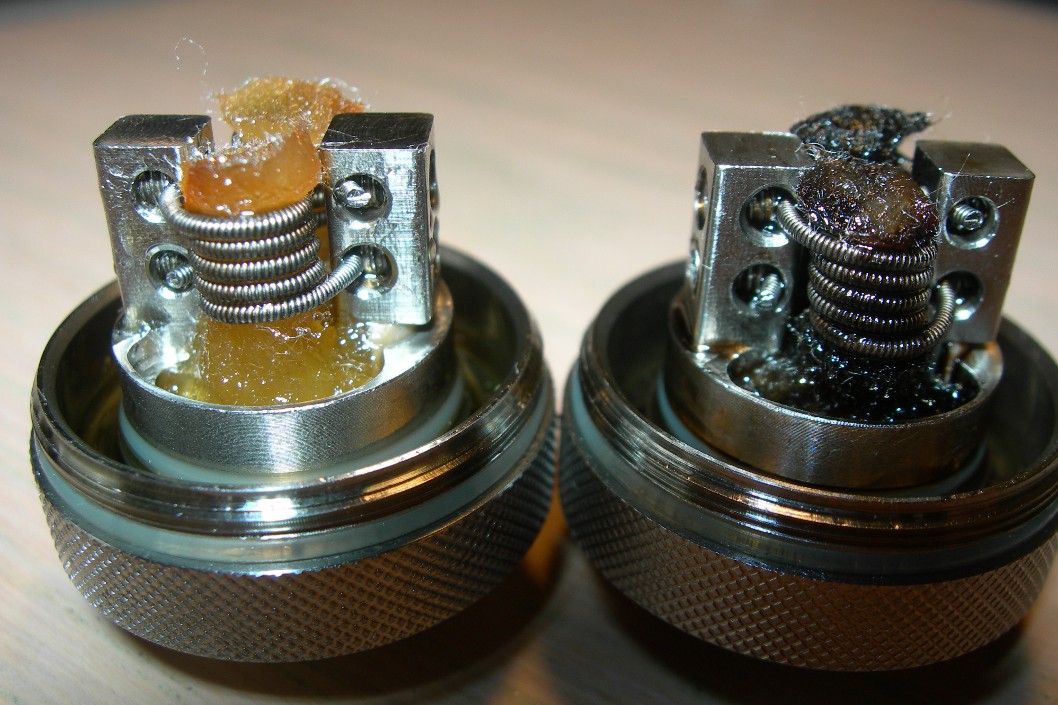
Despite vapes not containing sugar, sweeteners in vapes still undergo thermal decomposition when repeatedly heated. This process creates a dark, sticky residue that accumulates on the heating coil over time.
| Gunk Level | Flavor Impact | Performance | Recommended Action |
|---|---|---|---|
| Light (1-3 days) | Slightly enhanced sweetness | Minimal impact | Continue use, monitor taste |
| Moderate (4-7 days) | Caramelized, muted flavors | Reduced vapor production | Consider coil cleaning |
| Heavy (8+ days) | Burnt, unpleasant taste | Poor wicking, dry hits | Replace coil immediately |
For more insights on vape coils, check out this guide: Vape Coils Ultimate Guide: Comparison and Reviews
Factors Affecting Gunk Accumulation
Several factors influence how quickly coil gunk develops when using sweetened e-liquids:
Temperature and Power
- Higher wattage: Accelerates sweetener breakdown
- Temperature control: Limiting peak temperatures extends coil life
- Chain vaping: Continuous heating increases residue buildup
- Cool-down periods: Allowing coils to cool reduces stress
E-liquid Composition
- Sweetener concentration: Higher levels = faster gunk formation
- VG/PG ratio: Higher VG may slow sweetener caramelization
- Additional additives: Some flavorings contribute to residue
- Quality factors: Pure ingredients reduce unwanted buildup
Prevention and Maintenance Strategies
Proactive Maintenance Approach
Rather than simply accepting reduced coil life with sweet vapes, users can implement several strategies to minimize gunk formation and extend device longevity:
Device Selection Optimization
Pod Systems
Lower power output reduces sweetener breakdown, extending coil life while maintaining flavor quality
Disposable Devices
Pre-calibrated for sweet flavors, eliminating maintenance concerns entirely
Rebuildable Options
Allow for easy coil replacement and customization for sweet e-liquid use
Advanced Maintenance Techniques
Coil Cleaning Methods
For users committed to extending coil life with sweetened vaping products, several cleaning techniques can help:
- Dry burning: Carefully heating empty coils to burn off residue (advanced users only)
- Ultrasonic cleaning: Using ultrasonic baths with appropriate cleaning solutions
- Solvent cleaning: Gentle cleaning with food-grade alcohols (must dry completely)
- Steam cleaning: Using steam to loosen and remove sweetener buildup
Safety Warning: Coil cleaning requires technical knowledge and can be dangerous if done improperly. Consider professional servicing or coil replacement as safer alternatives.
Cost-Benefit Analysis
Understanding the economic impact of vape sweeteners on device maintenance helps users make informed decisions:
| Approach | Initial Cost | Monthly Maintenance | Annual Cost | Convenience Level |
|---|---|---|---|---|
| Unsweetened E-liquids + Refillable | $50-80 | $15-25 | $230-380 | Moderate |
| Sweet E-liquids + Frequent Coil Changes | $50-80 | $25-40 | $350-560 | Low |
| Premium Sweet Pods | $30-50 | $40-60 | $510-750 | High |
| Disposable Sweet Vapes | $10-20 | $60-100 | $730-1200 | Highest |
Sugar-Free Alternatives and Natural Solutions
For users seeking to avoid artificial sweeteners in vaping entirely, the market in 2025 offers numerous innovative alternatives that provide satisfying experiences without traditional vape sweeteners.
Natural Flavor Profiles
Menthol and Mint Categories
Menthol-based e-liquids provide refreshing alternatives to sweet profiles while offering their own unique benefits:
- Natural cooling sensation: Provides sensory satisfaction without sweetness
- Coil-friendly: Minimal residue formation extends device life
- Flavor clarity: Clean taste that doesn't muddy other flavor notes
- Appetite suppression: May help reduce cravings for sweet snacks
Popular Menthol Variations
- Pure menthol (pharmaceutical grade)
- Spearmint and peppermint blends
- Eucalyptus-enhanced formulations
- Cooling agents (WS-23, Koolada)
Tobacco and Earth Tones
Traditional tobacco flavors and earthy profiles offer sophisticated alternatives to sweet vaping products:
- Authentic tobacco notes: Virginia, Burley, Oriental blends
- Nutty profiles: Hazelnut, almond, walnut essences
- Woody undertones: Cedar, oak, sandalwood notes
- Spice combinations: Cinnamon, clove, cardamom blends
These profiles often appeal to former smokers seeking familiar tastes without the sweetness that dominates modern vape juice markets.
DIY Natural Sweetening Solutions
Custom E-liquid Creation
Advanced users can create personalized e-cigarette experiences by blending their own formulations using natural ingredients:
Natural Sweetening Agents
Fruit Extracts
- Concentrated apple essence (natural fructose)
- Grape concentrate (reduced and filtered)
- Berry extractions (anthocyanin compounds)
- Citrus oils (limonene-rich fractions)
Plant-Based Options
- Stevia leaf extracts (rebaudioside A)
- Monk fruit derivatives (mogroside V)
- Vanilla bean extracts (vanillin compounds)
- Cacao essences (theobromine notes)
DIY Safety Considerations
- Purity requirements: Only use food-grade, inhalation-safe ingredients
- Concentration limits: Natural doesn't mean unlimited - use appropriate dilutions
- Testing protocols: Start with minimal amounts and increase gradually
- Storage safety: Proper storage prevents contamination and degradation
Commercial Sugar-Free Products
Certified Sugar-Free Lines
Many manufacturers now offer dedicated product lines that specifically avoid all artificial sweeteners in vaping:
| Product Type | Sweetening Method | Flavor Intensity | Coil Life Impact | Target User |
|---|---|---|---|---|
| "Clear" Unflavored | VG natural sweetness only | Minimal | Maximum longevity | Purists, sensitive users |
| Single-note Natural | Fruit essence compounds | Moderate | Extended life | Flavor enthusiasts |
| Herbal Complexes | Plant terpenes, natural oils | Complex, subtle | Good longevity | Sophisticated palates |
| Cooling Blends | Natural cooling compounds | Refreshing sensation | Excellent life | Menthol lovers |
Transitioning from Sweet to Natural
Gradual Transition Strategy
For users accustomed to highly sweetened vapes who want to reduce their dependence on artificial sweeteners, a gradual approach often proves most successful:
Week 1-2
Reduce sweetener concentration by 25%
Week 3-4
Introduce naturally sweet fruit flavors
Week 5-6
Experiment with herbal and spice notes
Week 7+
Enjoy natural flavors without artificial sweeteners
Benefits of Natural Transition
- Enhanced taste sensitivity: Natural flavors become more pronounced
- Reduced cravings: Less desire for intensely sweet foods
- Better device performance: Improved coil longevity and flavor clarity
- Cost savings: Reduced maintenance and replacement costs
Future Trends & Technological Outlook
The vaping industry continues evolving rapidly, with 2025 marking significant advances in sweetener technology and regulatory frameworks. Understanding these developments helps users anticipate future changes in vape sweeteners and e-cigarette ingredients.
Technological Innovation Frontiers
Biotechnology Advances
Cutting-edge research in biotechnology is producing revolutionary approaches to creating sweetness without traditional artificial sweeteners in vaping:
- Engineered taste compounds: Molecularly designed to activate specific taste receptors
- Fermentation-derived sweeteners: Natural production using modified microorganisms
- Protein-based sweeteners: Heat-stable proteins that provide clean sweetness
- Enzymatic conversion systems: Converting natural compounds into safe sweetening agents
Research Spotlight: Miraculin Applications
Scientists are investigating miraculin, a protein that modifies taste perception, potentially allowing sour flavors to taste sweet without any sweetening additives.
Smart Delivery Systems
Advanced engineering is creating intelligent systems that optimize sweetener delivery in vaping devices:
- Temperature-responsive release: Sweeteners that activate at optimal temperatures
- Time-delayed activation: Multi-phase sweetness throughout the vaping session
- pH-sensitive formulations: Adjusting sweetness based on e-liquid chemistry
- Microencapsulation technology: Protected sweeteners that release gradually
Regulatory Evolution
Global Regulatory Harmonization
International regulatory bodies are working toward unified standards for vape sweeteners, creating clearer guidelines for manufacturers and consumers:
| Region | 2025 Status | Key Requirements | Future Direction |
|---|---|---|---|
| United States | PMTA framework active | Pre-market approval for sweeteners | Enhanced safety data requirements |
| European Union | TPD compliance mandatory | Ingredient disclosure, purity standards | Harmonized testing protocols |
| Canada | Tobacco and Vaping Products Act | Health Canada approval process | Therapeutic use pathways |
| Australia | TGA therapeutic goods regulation | Prescription-based access | Controlled substance protocols |
Emerging Compliance Requirements
- Inhalation toxicology testing: Comprehensive safety evaluation for heated sweeteners
- Long-term exposure studies: Multi-year research on chronic inhalation effects
- Manufacturing purity standards: Stringent quality control for sweetener ingredients
- Labeling transparency: Clear disclosure of all sweetening compounds
Consumer Preference Evolution
Demographic Shifts and Preferences
Market research indicates significant changes in how users approach sweet vapes and vape sugar content concerns:
Health-Conscious Segment
- Growing preference for natural sweeteners
- Interest in zero-additive products
- Demand for transparent ingredient sourcing
- Willingness to pay premium for clean formulations
Technology Enthusiasts
- Interest in smart device integration
- Customizable sweetness levels
- App-controlled flavor profiles
- Data tracking for usage patterns
Sustainability Focus
- Preference for renewable ingredients
- Interest in biodegradable components
- Support for ethical sourcing
- Reduced packaging waste concerns
Conclusion & Recommendations for Informed Vaping
Throughout this comprehensive analysis, we've definitively answered the question "do vapes have sugar" with a clear no—commercial vaping products do not contain traditional sugar. However, the sweet taste that characterizes many modern e-cigarettes comes from sophisticated alternatives that each carry their own benefits and considerations.
Key Scientific Findings
Essential Takeaways About Vape Sweeteners
- No sugar content: All commercial vapes use sugar alternatives due to technical limitations of real sugar in heating applications
- Sucralose dominance: Most sweet vapes rely on sucralose for their intense sweetness
- Natural alternatives exist: VG provides natural sweetness, while ethyl maltol offers cotton candy notes
- Device impact varies: Artificial sweeteners in vaping can affect coil longevity but don't necessarily compromise safety
- Innovation continues: 2025 brings new biotechnology and smart delivery systems
Personalized Recommendation Framework
Based on our analysis of vape sweeteners and their implications, here are evidence-based recommendations for different user profiles:
Health-Conscious Users
- Prioritize natural options: Choose VG-sweetened or fruit essence-based e-liquids
- Minimize artificial additives: Opt for brands that clearly label sweetener-free formulations
- Monitor intake: Rotate between sweet and non-sweet flavors regularly
- Stay informed: Follow emerging research on inhalation safety
Budget-Conscious Users
- Consider total cost: Factor device maintenance into sweetener decisions
- Balance preferences: Mix sweet and unsweetened e-liquids to extend coil life
- Invest in quality: Premium sweetener-free options may save money long-term
- Learn DIY basics: Simple mixing can provide customization at lower costs
Flavor Enthusiasts
- Explore complexity: Try unsweetened blends to appreciate subtle flavor notes
- Experiment with ratios: Adjust VG/PG ratios for natural sweetness variation
- Seek innovation: Try new biotechnology-derived sweetener products
- Document preferences: Track which sweetener types enhance or mask flavors
Technology Enthusiasts
- Optimize devices: Use temperature control to minimize sweetener breakdown
- Track performance: Monitor coil life with different sweetener concentrations
- Stay current: Follow smart device integration for customizable sweetness
- Share data: Contribute to community knowledge about optimal settings
Safety and Quality Guidelines
Essential Safety Practices
- Source verification: Only purchase from reputable manufacturers with transparent ingredient disclosure
- Regulatory compliance: Ensure products meet local safety standards and regulations
- Personal monitoring: Pay attention to any changes in taste, throat comfort, or device performance
- Professional consultation: Discuss vaping choices with healthcare providers, especially with existing conditions
Looking Forward: The Future of Sweet Vaping
As the industry continues innovating, users can expect increasingly sophisticated solutions to the sweetening challenge. The question "do vapes have sugar" will likely evolve into discussions about which advanced sweetening technologies provide the best balance of safety, satisfaction, and device compatibility.
The key to successful vaping in 2025 and beyond lies in understanding your personal priorities—whether that's maximizing health considerations, optimizing device performance, or exploring the frontiers of flavor innovation. Armed with comprehensive knowledge about vape sweeteners, users can make informed decisions that align with their individual goals and preferences.
Final Guidance
Remember that the absence of sugar in vapes doesn't automatically make them risk-free, but it does eliminate many concerns associated with sugar consumption. The sophisticated alternatives used in modern e-cigarettes represent significant advances in food science and engineering, providing satisfying experiences while addressing the fundamental question of sweetness in inhalation products.
Your Trusted Source for Authentic Vaping Products
Now that you understand the science behind vape sweeteners and can make informed decisions about "do vapes have sugar," it's important to source your products from reliable, authorized retailers.
Why Choose AUVAPER?
- 100% Authentic Products: All items are factory-authorized genuine merchandise
- Expert Curation: Carefully selected products meeting strict quality standards
- Educational Support: Detailed product information helping you make informed choices
- Comprehensive Selection: From sugar-free alternatives to premium sweetened formulations
AUVAPER Advantages
- Manufacturer Direct: Authorized relationships with leading vape brands
- Quality Assurance: Rigorous testing and authentication processes
- Responsive Support: Expert assistance for product selection and safety questions
- Competitive Pricing: Direct sourcing ensures fair, competitive pricing
Whether you're seeking artificial sweetener-free options, premium sucralose-enhanced blends, or innovative natural alternatives, AUVAPER's commitment to authenticity and quality ensures you receive exactly what you expect.
Explore Authentic Vaping Products at AUVAPERVisit AUVAPER for factory-authorized vaping products with complete ingredient transparency and expert guidance.